Is the power consumption (and heat dissipation) a function of bit rate? E.g. would the same 10GBASE-T transceiver consume less power when running at, say, 2.5Gb/s than at 10Gb/s?
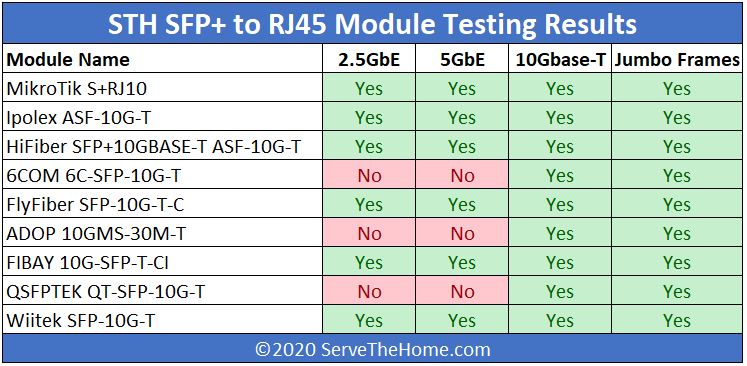
Yes (or at least I've noticed it on mine) but worth noting 99% of 10G RJ45 SFP+ transceivers only support 10G and nothing else. Typically it's only fixed copper interfaces that support negotiating different speeds.
The MikroTik adapters are a bit special in that they are more a 2 port transparent bridge where the inside facing portion of the module always runs at 10g and the outside facing portion auto-negotiates. This allows 10G only switch interfaces to support 10/100/1000/2500/5000/10000 clients. In a MikroTik switch it reports back the negotiated speed and the switch can shape traffic to the appropriate bandwidth instead of letting the adapter do it (which I assume is just policed but could be wrong, never tested). I have a 100G switch which is backwards compatible with 40G and allows breakouts so with a QSA can support SFP+ modules... putting this MikroTik module in I can plug a 10 megabit half duplex device into a 100 gigabit port!